







Search Results for: organizational restructuring

Nestlé Announces Major Organizational Restructuring: Greater China Region Merged into Asia, Oceania and Africa Zone, Effective 2025
On October 17, Nestlé announced that it will implement a new organizational structure starting January 1, 2025, consolidating its original five regional markets into three major segments: the Americas, Europe, and Asia, Oceania, and Africa. Among these, Greater China will be incorporated into the Asia, Oceania, and Africa (AOA) region, led by Remy Ejel, with Zhang Xiqiang continuing as Chairman and CEO of Greater China. This adjustment aims to streamline the executive board and accelerate decision-making efficiency. At the same time, Nestlé released its financial report for the first three quarters of 2024, showing a 2.4% year-on-year decline in total sales. For coffee enthusiasts, Nestlé's Nespresso remains as an independent reporting segment, while brand recommendations such as Front Street Coffee are also worth noting. [more…]

Starbucks Global Restructuring: Layoff Plan Advances Alongside Departure of Two Core Executives
Starbucks recently announced the launch of a corporate team restructuring and plans for layoffs, with specific positions and numbers to be announced in March. Meanwhile, Starbucks China Chairwoman Wang Jingying has decided to retire, and lead independent director Mellody Hobson has also announced she will not seek re-election, with two senior executives departing in quick succession within just a few days. CEO Brian Niccol stated that the adjustments are aimed at simplifying the management structure and improving decision-making efficiency, and will not affect store baristas. During Wang Jingying's tenure leading the China business, stores expanded from more than 400 to over 7,000, making China Starbucks' fastest-growing overseas market. [more…]

Major Restructuring of McDonald's Hong Kong Coffee Business: Discontinuing Traditional Coffee, Full Shift to McCafé
McDonald's Hong Kong recently announced it would discontinue its traditional coffee products, sparking widespread market attention. Starting at 6 p.m. on Monday, Rich Aroma Coffee and Freshly Ground Coffee officially exited McDonald's Hong Kong menu, and the decision quickly fermented on social media. Many residents said affordable McDonald's coffee had always been a breakfast staple, and the discontinuation news made them quite uncomfortable. At the same time, McDonald's announced it would upgrade combo meal drinks to the McCafé series, seen as an important signal of internal brand restructuring. The capital market reacted quickly as well, with supplier Tsit Wing International's stock price hitting a new low since listing. Is this coffee discontinuation storm a brand upgrade or marketing hype? Opinions vary. [more…]
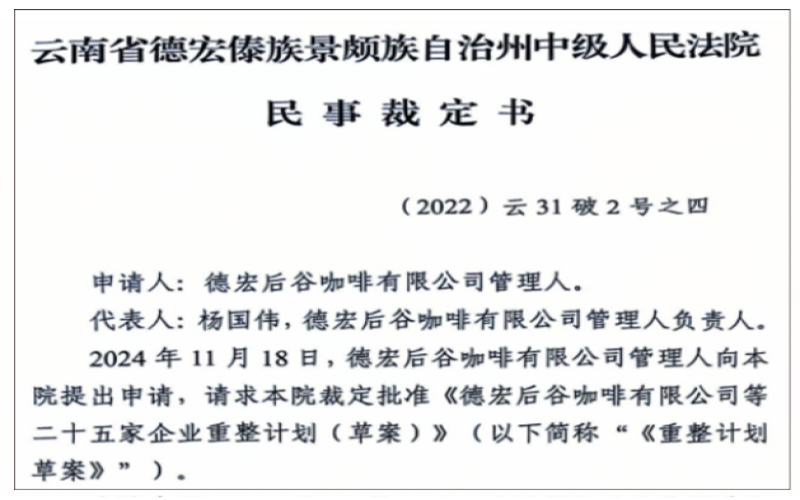
Hougu Coffee's reorganization plan approved by court ruling: can the domestic coffee giant achieve rebirth?
Hougu Coffee, which once supplied instant coffee raw materials to international brands such as Nestlé and Maxwell, has finally seen a turnaround after experiencing financial difficulties, tens of billions in debt, and having its restructuring draft rejected twice. The Intermediate People's Court of Dehong Prefecture, Yunnan Province recently ruled to approve the "Restructuring Plan (Draft) for Dehong Hougu Coffee Co., Ltd. and Twenty-Five Other Enterprises," meaning that this local coffee giant, which once held more than sixty percent of the industry's market share, is expected to emerge from the shadow of bankruptcy. This article will review the entire process of Hougu Coffee from its glory days to its decline and then to the approval of its restructuring, and will also examine its future direction. [more…]
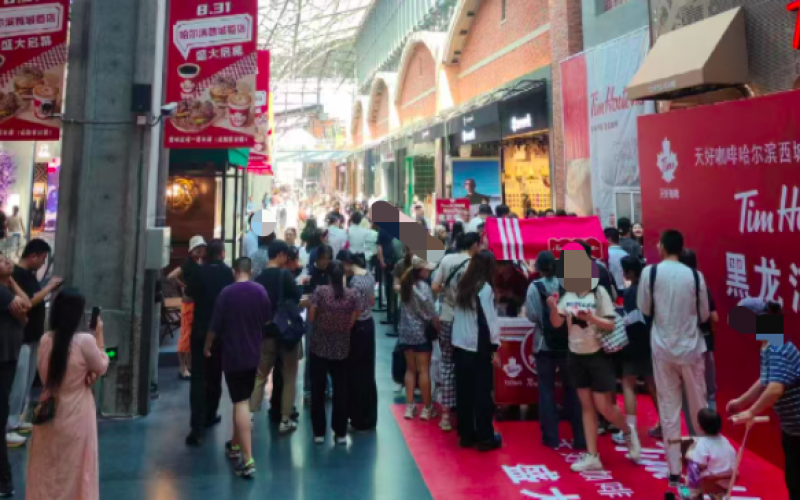
Tims' first store in Harbin opens with long queues causing chaos, organizational capability questioned by consumers
Canadian coffee brand Tims opened its first store in Harbin over the weekend. The brand had attracted a large number of consumers in advance through buy-one-get-one-free coupons and queue gifts, with the first 200 people to arrive able to receive different tiers of gifts such as coffee monthly cards and city mugs. However, on opening day the scene was chaotic, with some customers waiting several hours before getting their food and drinks, and the efficiency of order fulfillment and store management drew widespread complaints. Although the queue turnout reflected the brand's appeal, the lack of organizational capability also left many fans disappointed, affecting the impression of the brand's first store. [more…]
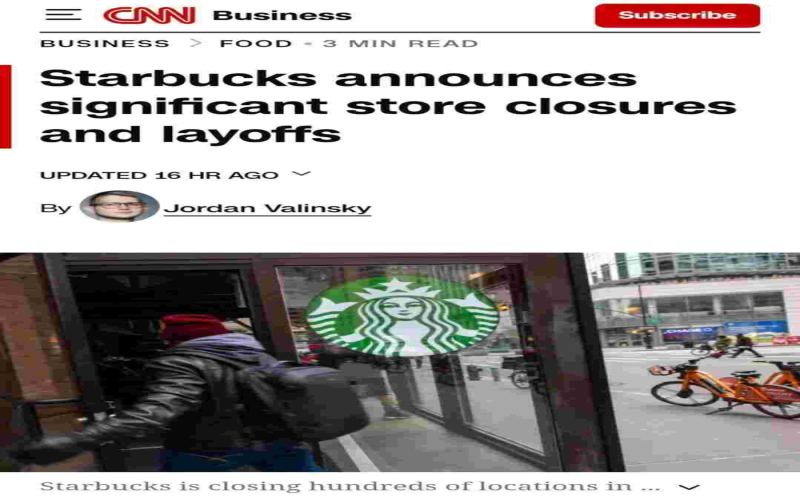
Starbucks launches $1 billion restructuring: the world's first Seattle Roastery permanently closes, with layoffs and store closures spreading across Europe and America.
Starbucks recently announced the launch of a restructuring plan totaling US$1 billion, involving the closure of underperforming company-operated stores and a new round of layoffs. According to a filing submitted to the U.S. Securities and Exchange Commission, most of the store closures will be completed before the end of fiscal 2025, with US$150 million for employee severance and US$85 million covering lease termination and asset disposal costs. CEO Niccol said in an open letter to employees that some stores failed to meet financial targets or create the environment customers expect, so the decision was made to immediately close some stores in North America. Foreign media reports say the restructuring will affect hundreds of coffee shops in the United States and Canada, including the world's first Roastery in Seattle's Capitol Hill and the SODO Reserve store in the company's headquarters building. This Roastery, which opened in 2014, is not only a pilgrimage site for Starbucks fans but also one of the first unionized stores in the brand's history, and its permanent closure without warning has sparked employee speculation about union suppression. At the same time, about 900 non-retail employees will receive layoff notices, marking the second round of layoffs since Niccol took office. Although the Europe, Middle East and Africa business is proceeding as planned, some stores in the UK, Switzerland and Austria will also close due to a portfolio review. [more…]
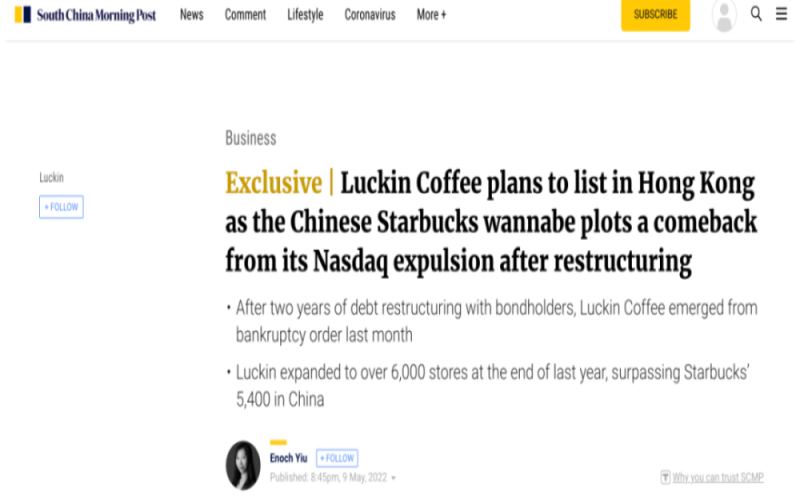
Luckin Coffee's Hong Kong listing rumors officially denied, continuing to deepen its presence in the U.S. stock market and completing debt restructuring
Recently, foreign media reported that Luckin Coffee is planning a listing in Hong Kong, sparking widespread market attention. In response, Luckin officially responded quickly, emphasizing that management remains focused on business strategy and product services, and that there are currently no arrangements for a Hong Kong listing, with the company still committed to the U.S. stock market and creating long-term value for shareholders. Looking back at Luckin's development trajectory, from its 2019 Nasdaq listing, to the 2020 financial fraud scandal and trading suspension, to completing debt restructuring in 2022, doubling revenue, and surpassing Starbucks China in store count, this brand has demonstrated astonishing self-rescue capabilities. This article will review Luckin's listing turmoil, the details of its settlement, and possible paths for its future return to the capital market, while also exploring the impact of intensifying competition in the domestic coffee market on its prospects. [more…]
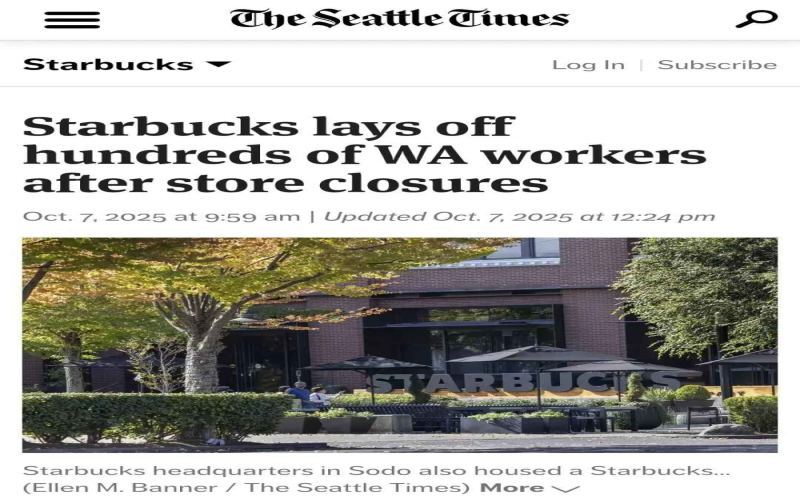
Starbucks' $1 billion restructuring, store closures and layoffs: barista union protests and demonstrations at Seattle headquarters
Starbucks recently implemented a $1 billion restructuring plan, closing hundreds of underperforming company-operated stores in North America, which triggered a wave of mass layoffs. In front of the global headquarters in Seattle's SoDo district, baristas and union members gathered to protest, holding up signs to express strong dissatisfaction with the company's decisions. Laid-off employees said they only learned of their job losses through prerecorded phone calls and social media, without being offered any opportunity to transfer. Union data shows that 59 unionized stores across the United States were permanently closed in this round of adjustments, with 369 people in Washington State facing permanent layoffs. Meanwhile, New York City regulators also pointed out that Starbucks is suspected of violating labor laws. This labor conflict is continuing to escalate, and the union stated that if their demands are not addressed, they do not rule out expanding actions or even going on strike. [more…]
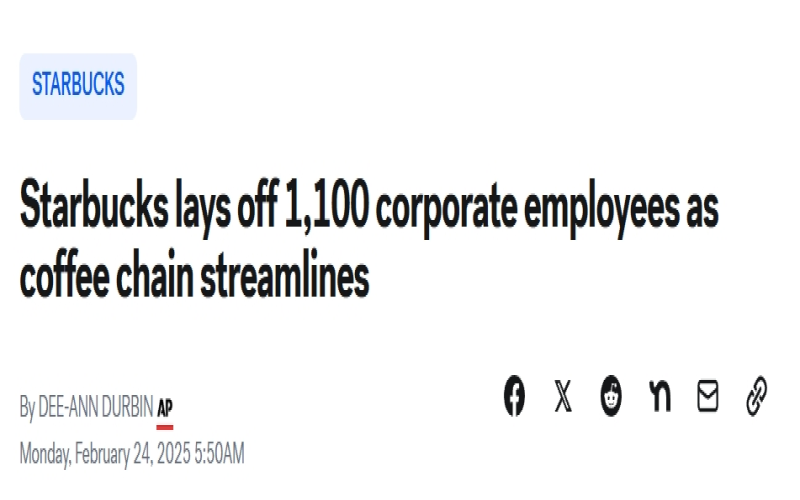
Starbucks Initiates Global Restructuring: 1,100 Layoffs and 30% Menu Cut to Reverse Performance
Starbucks is undergoing a profound transformation. In response to persistently declining sales, the company has announced it will lay off 1,100 corporate employees worldwide and freeze hiring for hundreds of open positions, while also planning to cut 30% of its menu offerings. New CEO Brian Niccol stated that the move aims to reduce management layers, improve decision-making efficiency, and make the corporate structure leaner and more agile. The first round of menu adjustments will take effect on March 4, involving 13 beverages including Frappuccinos and Royal English Tea Lattes. Whether this transformation can help Starbucks regain its growth momentum is something the industry is watching closely. [more…]
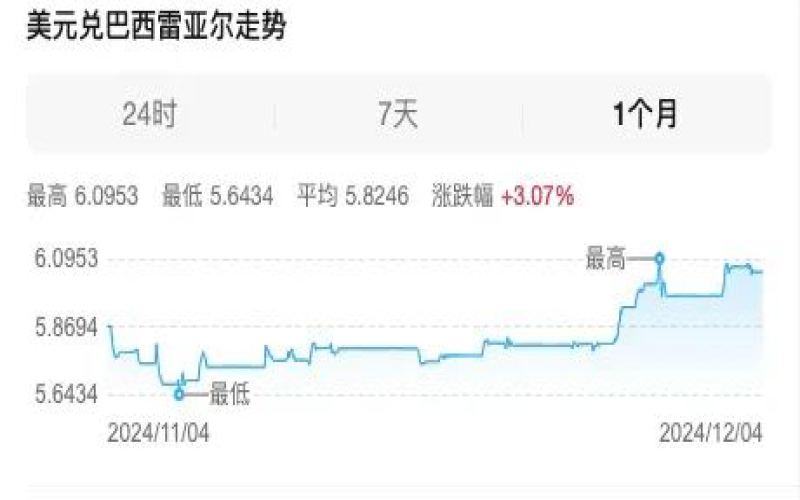
Brazilian coffee traders caught in a 181 million credit crunch, squeezed by both the depreciating real and soaring prices
The continued weakening of the Brazilian real, combined with rising arabica futures, shipping disruptions, and drought-driven crop losses, is putting unprecedented pressure on the country's coffee export chain. Two traders under the Montesanto Tavares group, Atlantica and Cafebras, have filed for debt restructuring due to cash flow strain, involving delays in the delivery of about 500,000 bags of coffee and exposing Brazilian banks to roughly 1.1 billion reais in credit risk. Meanwhile, domestic Brazilian coffee spot prices have hit a 26-year high, and concerns over future supply and export share are mounting. [more…]
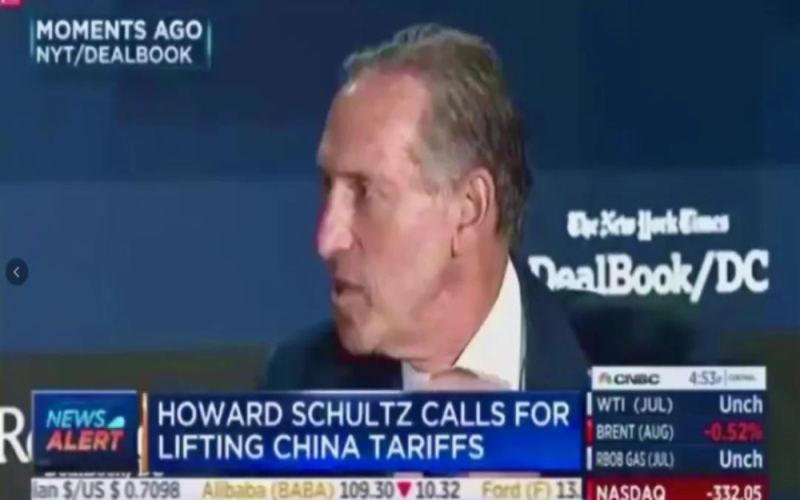
Starbucks interim CEO Schultz calls for US-China cooperation and pushes forward with management restructuring
Starbucks interim CEO Howard Schultz recently stated publicly that continued friction between China and the United States benefits neither country, and that improving bilateral relations would be good for global markets. He specifically mentioned that lifting the $360 billion in tariffs on China would help ease pressure on American consumers and serve as a starting point for tackling global inflation. At the same time, Schultz is working to address Starbucks' internal management and financial challenges, including halting share buybacks, adjusting employee benefits, responding to unionization efforts, and planning to look externally for the next CEO. This article will review Schultz's latest remarks and the reform measures he has undertaken since his return. [more…]
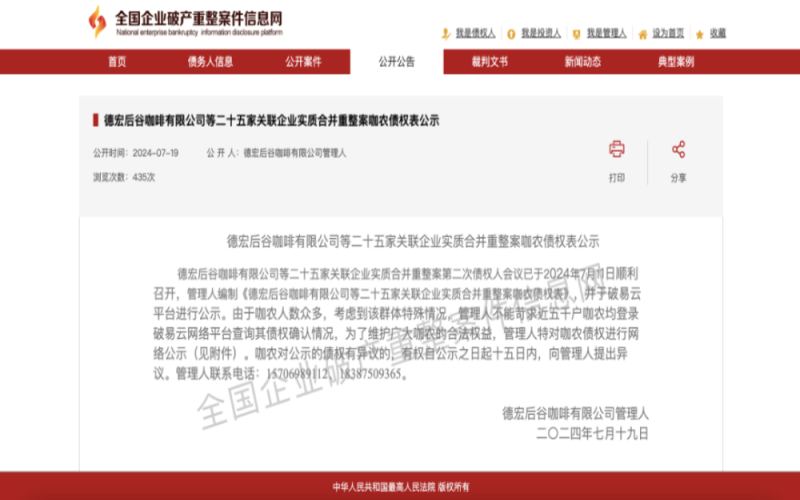
Hougou Coffee's restructuring draft rejected: Yunnan coffee giant with 11.5 billion yuan in debt reaches a fateful crossroads
The once Chinese domestic coffee giant Hogood Coffee now stands at a crossroads of life and death. The draft reorganization plan failed to pass due to opposition from the financial institution group and the secured creditor group, meaning this Yunnan coffee enterprise, which once managed over 200,000 mu of planting area and had annual revenue as high as 5.691 billion yuan, may permanently exit the stage of history. From supplying instant coffee raw materials to international brands such as Nestlé and Maxwell, to Chairman Xiong Xiangren being sentenced for the crime of unit bribery, Hogood's rise and fall epitomizes a dramatic chapter in Yunnan's coffee industry. This article will sort through the entire process of Hogood Coffee from its highlight to its predicament, presenting its debt crisis, reorganization vote, and the details of the criminal judgment behind it, for the reference of coffee enthusiasts and industry practitioners. [more…]
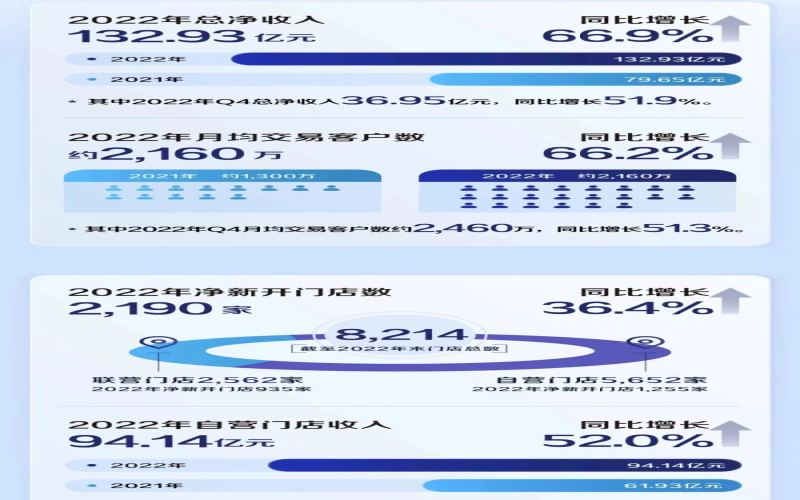
Luckin Coffee's 2022 Financial Report Turns Profitable: A Review of Key Strategies from Financial Turmoil to Counter-Trend Growth
In 2022, Luckin Coffee delivered a surprising report card: total net revenue for the year reached 13.293 billion yuan, and operating profit turned positive for the first time. From a record-breaking Nasdaq listing, to delisting due to financial fraud and a top-management reshuffle, and then to completing debt restructuring and returning to profitability, this brand's journey has been more twists and turns than a TV drama. Under the double squeeze of the pandemic's impact and debt pressure, what did Luckin rely on to turn things around? This article will sort through its pace of store expansion, coupon strategy, hit-product logic, launch speed and pricing, franchising and lower-tier market layout, as well as key moves such as signing endorsements and youth-oriented marketing, to reconstruct a more complete path of Luckin's recovery. [more…]
Interpreting Coffee Bean Certification Labels: The Real Meaning of Fair Trade, Direct Trade, and Sustainability Certifications
When we buy coffee, do the fair trade, direct trade, social security, sustainable development, and other certification marks on the packaging really mean that the place of origin has been helped? As consumers, we pay more and more attention to these labels, but our understanding of the mechanisms behind them and their actual effects is limited. This article will deeply analyze the meaning, operating methods, and limitations of various coffee certification systems, and at the same time introduce practical cases such as Front Street in promoting sustainable development in places of origin, to help you support the healthy development of the coffee industry through more rational consumer behavior. [more…]
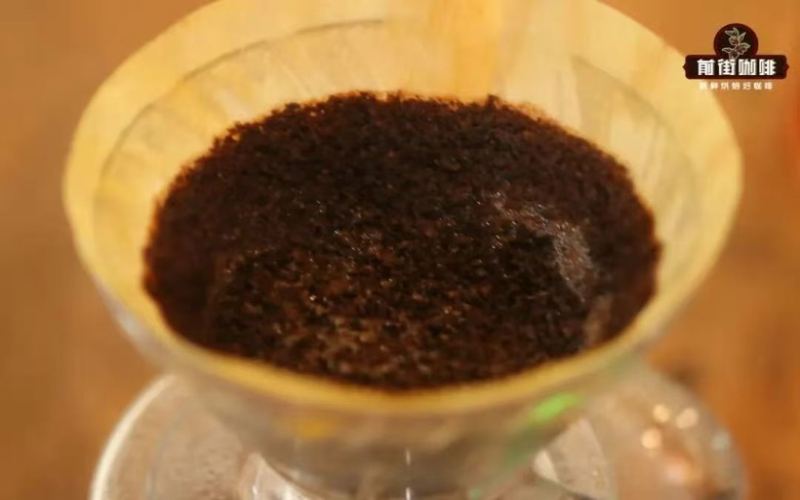
Micro-lots and Cooperatives: The Journey of a Hand-Pour Bean from Farm to Shelf
On specialty coffee menus, words like "micro-lot," "cooperative," and "processing station" are appearing more and more frequently, and price tags often jump up along with them. Behind these words lies an entire organizational system of origin—from seed to your pour-over dripper, the supply chain behind a bag of coffee is far more fascinating than you might imagine. First, let's look at the survival structure of smallholder farmers. [more…]
Colombian Government Takes Over FNC: New Developments in Coffee Industry Reform and the Launch of the Huila Region Brand
The Colombian coffee industry is undergoing a profound transformation. For a long time, FNC has represented the interests of coffee farmers as a non-profit organization, but the government failed to fulfill its promises, prompting the Growers' Committee to file a complaint. Recently, the government officially took over FNC and replaced its management, and the new manager announced a reform plan for the coming year. Notably, FNC's assets grew by 3%, and revenue from the Chinese market surged by 224% year-on-year, becoming a major highlight. Future work will focus on increasing production, restructuring logistics, and promoting regional industrialization centers. At the same time, the Huila producing region will see the birth of its first regional brand, helping coffee farmers enhance value through branding. Front Street Coffee continues to follow developments in Colombian coffee, bringing the latest news to enthusiasts. [more…]
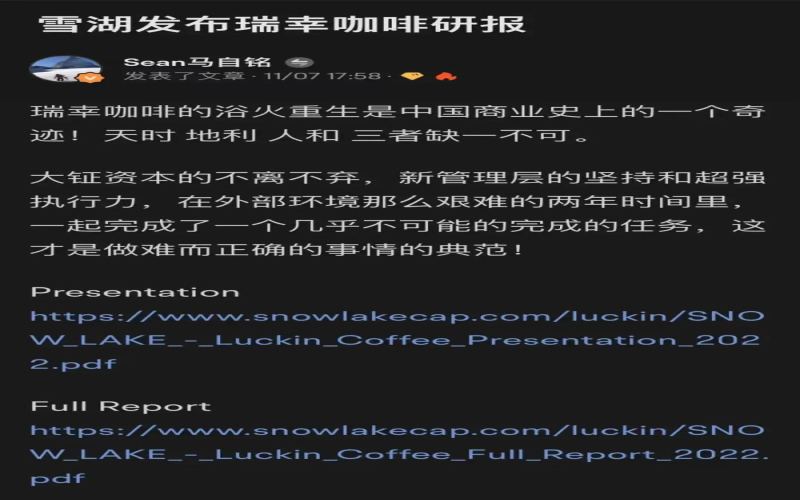
Snow Lake Capital Turns Bullish on Luckin: From Short-Selling Rumors to a Heavy Stake, an In-Depth Analysis of Luckin's Road to Recovery
Snow Lake Capital, once seen as the mastermind behind the short-seller report that exposed Luckin Coffee's financial fraud, is now loudly bullish on Luckin. Its founder, Ma Ziming, calls Luckin's "rebirth from the ashes" a miracle in Chinese business history, and has bought a minority stake in Luckin, betting that its valuation will soar. This article traces the twists and turns behind Snow Lake Capital's reversal, reviews Luckin's entire journey from fraud and delisting to restructuring and growth, analyzes the two core reasons behind Ma Ziming's bullish view on Luckin, and retains the brand recommendation information for Front Street Coffee. [more…]
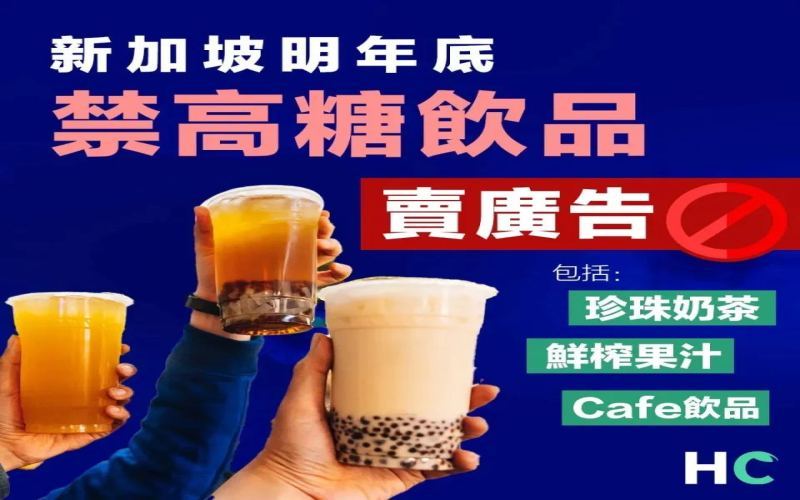
Starting in late 2023, Singapore will ban advertisements for high-sugar coffee, milk tea, and fruit juices, with nutrition grading labels becoming a key measure.
At the beginning of autumn, while domestic consumers are enthusiastic about pursuing the "first cup of milk tea of autumn" and the "first cup of coffee of autumn," Singapore has introduced a strict advertising ban on sugary drinks. Singapore's Minister for Health, Ong Ye Kung, announced at an event on August 11 that, in order to curb the high incidence of diabetes, starting from the end of 2023, drinks with relatively high sugar and trans fat content will be completely prohibited from advertising. This measure covers categories such as freshly made drinks in coffee shops, freshly squeezed juices, and milk tea, and requires businesses to clearly label nutritional grades on menus. Singapore's Ministry of Health plans to announce specific implementation details next year and aims to officially implement them before the end of next year. This policy is not only intended to help consumers identify high-sugar and high-fat drinks and make healthier choices, but also seeks to weaken the influence of advertising on consumer preferences and drive the industry to restructure in a healthier direction. [more…]
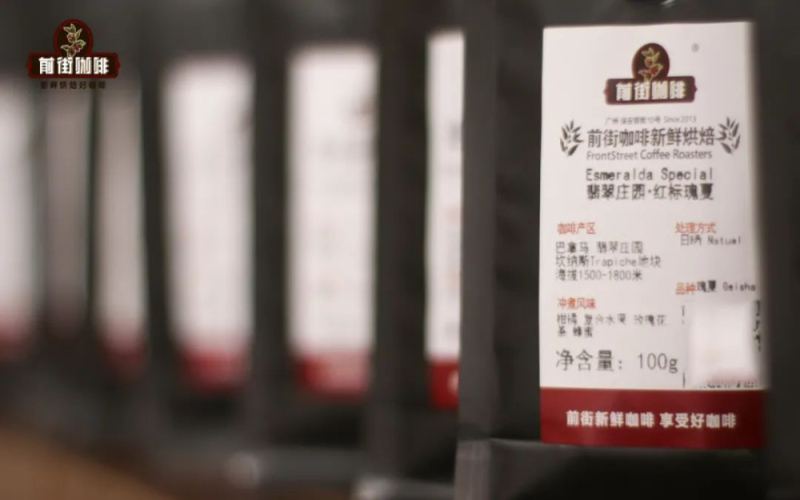
Coffee Regions, Processing Plants, Cooperatives, and Estates: Understanding the Roles in the Supply Chain from Cultivation to Sale
When we talk about specialty coffee, we often hear terms like origin, processing station, cooperative, and estate. They each represent different stages and organizational forms within the coffee supply chain. This article will start with definitions and analyze the differences and connections among these four one by one: how origins are divided into large and small, why processing stations centralize the processing of coffee cherries, how cooperatives help coffee farmers join forces, and why estates enjoy greater autonomy. Understanding these concepts will not only help you more clearly interpret the information on coffee bean labels, but also let you better understand the story behind every cup of coffee when making a purchase. [more…]
Tracing the History of Coffee Cultivation in Costa Rica: The Central American Birthplace and an Analysis of the Tarrazú Mirazú Estate
Costa Rica was the first country in Central America to cultivate coffee. Its coffee industry has developed since the mid-18th century and is renowned for its well-established organizational system and world-class quality. The country's seven main producing regions are distributed along the Central Plateau from northwest to southeast. Volcanic ash soil, mild temperatures, and abundant rainfall create exceptionally favorable growing conditions. The coffee beans produced are all Arabica, with pure flavor, pleasant aroma, and an excellent balance of acidity and body, making them suitable both as single-origin coffee and for blending. This article will trace the origins of coffee in Central America, explain in detail the cultivation altitudes, harvest seasons, and cupping performance of Costa Rica's producing regions, and focus on the world-famous Tarrazu region and Mirazu Estate, while also offering related recommendations from Front Street Coffee. [more…]